Nassau serves as the cultural, historic, and commercial capital of the Bahamas. Brightly painted architecture frames the downtown district, highlighted by historic landmarks such as Fort Charlotte and the hand-carved limestone Queen's Staircase. Bay Street forms the city's main thoroughfare, lined with active duty-free shops, local straw markets, and administrative centers. Known equally for its deep-water harbor and international banking sector, Nassau connects sheltered Atlantic beaches and marine parks with a major regional transit hub for cruise ships and international flights.
Pastel Georgian architecture frames the streets of Downtown Nassau, the vibrant commercial and cultural core of New Providence. Running along Bay Street, the district features duty-free boutiques, local dining, and the famous Straw Market, a primary trading point for handwoven crafts and souvenirs. Important historical sites anchor the neighborhood, including the neo-classical Government House and the National Art Gallery of the Bahamas. During the evening, the historic harborfront district transitions into a lively nightlife center with local music venues, open-air bars, and seafood restaurants.
Carved directly from solid limestone in the late 18th century, the Queen's Staircase forms a dramatic 102-foot passage leading to Fort Fincastle atop Bennet's Hill. Slaves spent over sixteen years shaping the 66 steps using hand tools, creating a crucial retreat route for soldiers stationed at the fort above. Later named in honor of Queen Victoria for her role in abolishing slavery across the British Empire, the site sits within a lush, shaded gorge framed by sheer rock walls and tropical foliage. Today, it remains one of Nassau's most significant historical and architectural monuments.
Fort Charlotte stands as the largest British fortification on New Providence, positioned on a hill commanding the western entrance to Nassau Harbor. Named for Queen Charlotte, wife of King George III, the stone complex features a dry moat, drawbridge, ramparts, and forty-two cannons overlooking the sea. Visitors explore a labyrinth of underground passageways, dungeons, and subterranean magazine rooms carved into the rock. Historical displays inside exhibit 18th-century military artifacts, while the upper battlements offer clear, elevated views across the city and surrounding harbor.
Junkanoo Beach serves as a lively, easily accessible public shoreline on New Providence Island. Known locally as Western Esplanade, the stretch features soft white sand, calm coastal waters, and direct views of harbor ship traffic. Open-air beach shacks and vendors line the waterfront, serving cold local drinks, traditional conch fritters, and cooked seafood. Visitors gather here for casual swimming, sunbathing, volleyball, and paddleboarding, enjoying a vibrant, music-filled atmosphere that offers a energetic glimpse into daily Bahamian beach culture.
Ardastra Gardens, Zoo & Conservation Centre encompasses four acres of lush botanical gardens just west of downtown Nassau. The sanctuary shelters over 135 animals, including Madagascar lemurs, colorful lory parrots, capuchin monkeys, and native Bahamian boa constrictors set among native orchids and palms. Ardastra is best known for its flock of Caribbean flamingos—the national bird of the Bahamas—which perform synchronized marching drills. Interactive hand-feeding sessions and educational wildlife programs emphasize local species conservation and wetland preservation.
Constructed in the early 19th century by Loyalists, Parliament Square stands as the political center of the Bahamas, situated along Bay Street in downtown Nassau. Bright pink Georgian-style buildings flank the open plaza, housing the House of Assembly, the Senate, and the Supreme Court. At the center of the square sits a marble statue of Queen Victoria, erected in 1905 to commemorate her Diamond Jubilee. The site remains an active civic focal point where visitors can observe traditional dress, historical colonial architecture, and ongoing parliamentary governance in action.
Arawak Cay sits just west of downtown Nassau along the harbor shoreline. Constructed from dredged harbor materials in 1969, the district evolved into a lively culinary strip featuring colorful wooden shacks and open-air seafood eateries. Vendors serve traditional Bahamian specialties, including fresh conch salad, fried snapper, sky juice, and guava duff. With live rake-and-scrape music, outdoor seating, and street markets, the waterfront complex provides an energetic, authentic gathering spot where locals and travelers experience island food culture and night entertainment.
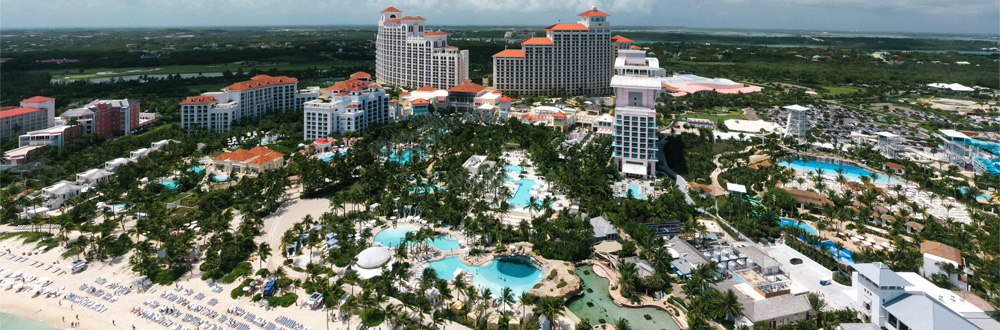
Stretching four miles along the northwestern coastline of New Providence, Cable Beach is famous for its powder-white sand, calm turquoise waters, and expansive luxury resort corridor. Named after the transatlantic telegraph cable landed here in 1892, the shoreline offers ideal conditions for swimming, snorkeling, and motorized water sports. Upscale beach resorts, oceanfront bars, and fine dining establishments line the coast, providing full amenities for beachgoers. Accessible public entry points allow visitors to experience the calm surf, soft sands, and active coastal atmosphere.
Bay Street serves as the main commercial artery and historic thoroughfare of New Providence Island. Lined with colorful Georgian architecture, the vibrant corridor features duty-free luxury boutiques, international jewelers, local souvenir shops, and the famous Straw Market. Historical landmarks border the bustling street, including Parliament Square, government buildings, and colonial courts. Constant energy fills the walkway as cruise ship passengers, shoppers, and locals navigate the open-air dining spots, historic alleyways, and waterfront markets that anchor Nassau's downtown.
Blue Lagoon Island sits three miles northeast of Nassau, offering a secluded tropical retreat surrounded by turquoise lagoons and white sand beaches. Accessible via scenic ferry ride from Paradise Island, the private island features marine animal encounters where guests swim with dolphins, stingrays, and sea lions. Calm water bays provide ideal conditions for kayaking, paddleboarding, and snorkeling along coastal reefs. Coconut palms shade hammock groves, beach bars, and open-air dining areas, creating a relaxing day-trip environment for families and cruise travelers.